
Glomerulus-Specific Inhomogeneity of the Basal Activity Map in the Olfactory Bulb
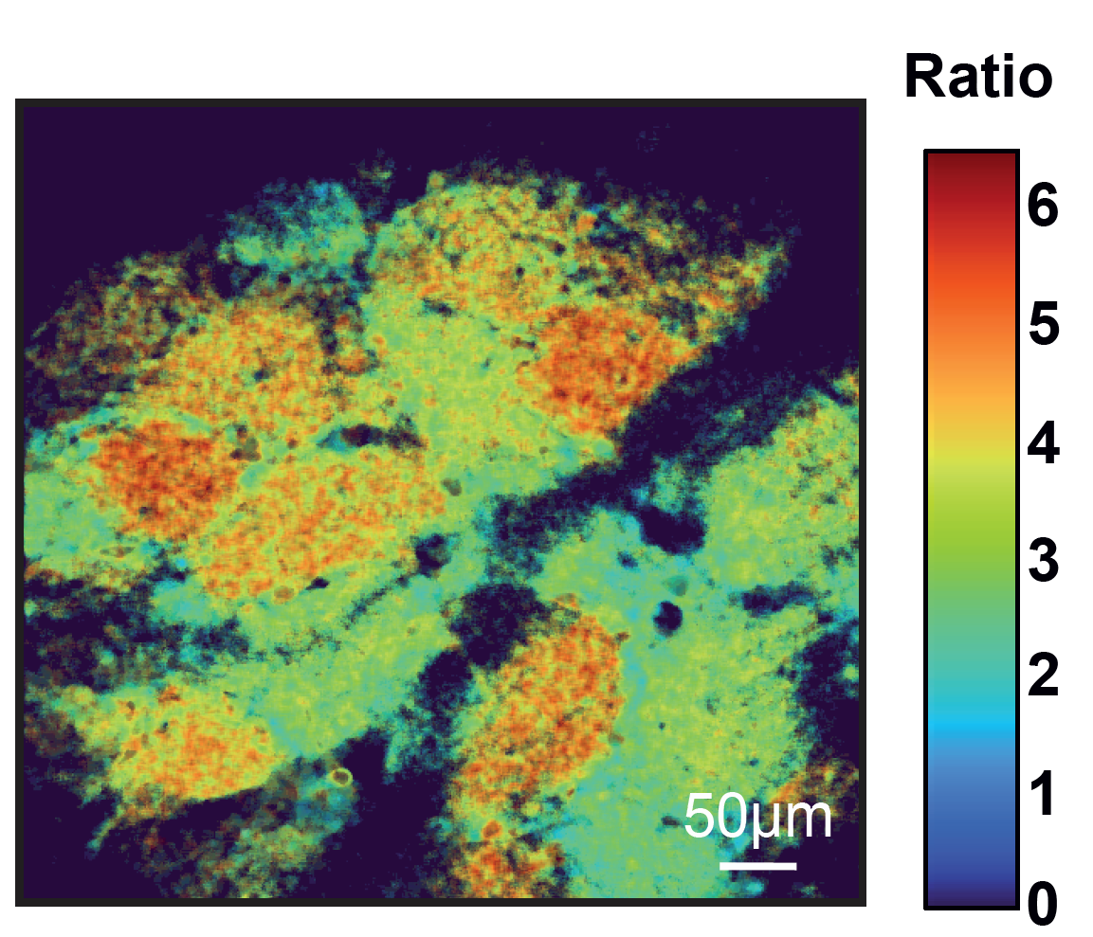 Glomeruli are signal-processing units of the olfactory bulb (OB) that play a key role in many OB computations, including contrast enhancement, gain control, and odorant-selective habituation. In awake mice, we unveil an extremely stable, inhomogeneous map of basal glomerulus-specific activity that serves as the background against which olfactory signal processing occurs. This activity is strongly driven by centrifugal cholinergic inputs; endogenous and airflow-evoked spiking of olfactory sensory neurons; and, to a minor extent, by the odor environment. Moreover, it is brain-state dependent and suppressed under various forms of anesthesia, and is therefore likely attenuated during sleep. These results reveal an important layer in the OB signal-processing network, likely increasing the system's variance and dynamic range via glomerulus-specific functional inhomogeneity.